Kidney Stone Treatment in Coimbatore: When Should You See a Specialist? - Kidney Stones
Sudden pain in the side or back is the first warning for many people, and it often arrives at night. Early kidney stone treatment shortens recovery and protects the kidney from damage. At Kongunad Kidney Centre, patients looking for kidney stone treatment Coimbatore hospitals provide can consult a kidney stone specialist in Coimbatore, who explains whether the stone will pass on its own or needs removal. This guide explains when to seek help.
Recognise Common Kidney Stone Symptoms
Kidney stone symptoms usually begin when a stone moves from the kidney into the ureter. The pain comes in waves and may travel from the back to the lower abdomen and groin. Some people also notice changes in their urine.
- Sharp pain in the side, back or lower abdomen
- Blood in the urine, which may look pink or brown
- Burning or frequent urination
- Nausea or vomiting
Signs That Need Immediate Attention
Some symptoms point to a blocked or infected kidney, which needs quick treatment. Pain that stays severe after a day, or keeps returning, also deserves a review. Visit the hospital the same day if you notice any of the signs below.
- Fever or chills along with pain in the side
- Pain so severe that sitting still is difficult
- Passing very little urine
- Repeated vomiting that limits fluid intake
- A single kidney, diabetes or a history of earlier stones
Why a Kidney Stone Specialist Makes a Difference
A
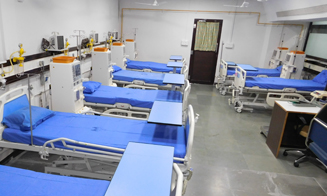
kidney stone specialist decides between waiting, medicines and a procedure based on the stone’s size, position and your kidney health. Small stones often pass with fluids and medicines, while larger ones need planned removal. Kongunad Kidney Centre runs a stone clinic backed by a nephrology department and a 24-hour renal casualty, so the stone and its effect on the kidney are assessed together.
- Treatment matched to stone size and location
- Kidney function checked alongside the stone
- A follow-up plan to lower the chance of recurrence
How Kidney Stone Diagnosis Works
Kidney stone diagnosis starts with an examination and a review of your symptoms. Imaging then shows the size and position of the stone, which guides the treatment plan. Blood and urine tests reveal infection and kidney function.
- Ultrasound of the kidneys and bladder
- CT scan for precise stone details
- Urine and blood tests
- Chemical composition of the stone
Kidney Stone Treatment Options
Kidney stone treatment options depend on stone size, location and symptoms. Many small stones respond to fluids, pain relief and medicines that relax the ureter. Larger stones need a procedure to break or remove them.
- Medicines and hydration for small stones
- Shock wave lithotripsy (ESWL), done from outside the body
- Ureteroscopy with laser
- Percutaneous nephrolithotomy (PCNL) for large kidney stones
- Laparoscopic surgery in selected cases
Comparing Kidney Stone Removal Methods
Kidney stone removal methods differ in how they reach the stone and how long recovery takes. The table below gives a general picture, and your specialist confirms the suitable method after imaging.
| Method |
Best Suited For |
Typical Recovery |
| Medicines and fluids |
Small stones near the ureter |
A few days at home |
| ESWL |
Small to medium kidney stones |
Return to routine within days |
| Ureteroscopy with laser |
Stones in the ureter or kidney |
Short hospital stay |
| PCNL/RIRS |
Large or complex stones |
A few days in hospital |
Keep Stones From Returning
Stones can return, so daily habits matter. Drinking enough water to pass about two to three litres of urine each day dilutes the minerals that form stones. A dietitian can adjust salt, protein and oxalate-rich foods based on your test results.
- Drink water through the day
- Limit salt and packaged foods
- Attend follow-up scans as advised
Conclusion
Kidney stones respond best to timely care. Recurring pain, blood in the urine or fever are clear reasons to consult a specialist, and a proper diagnosis leads to the right treatment. Kongunad Kidney Centre in Tatabad offers diagnosis, stone removal and follow-up care under one roof.
Book Your Consultation
Meet the team at Kongunad Kidney Centre, 206, 207, 11th Street, Tatabad, Coimbatore 641012. Call +91 95666 56491 to book an appointment, or reach the 24-hour emergency line on 0422 2494333. You can also book online at https://www.kongunadkidneycentre.com/make-an-appointment/.
Frequently Asked Questions
- Do kidney stones pass on their own?
Stones smaller than about 5 mm often pass within days to weeks with fluids and medicines. Larger stones, or stones that cause infection or blockage, need a specialist’s care.
- How do I choose a kidney stone specialist in Coimbatore?
Look for a hospital with a stone clinic, both urology and nephrology teams, in-house imaging and round-the-clock emergency care. These give you diagnosis and treatment in one place.
- What is the cost of kidney stone treatment in Coimbatore?
Cost depends on stone size, the method used and the length of stay. Ask for a written estimate once your diagnosis is complete.
- How long does recovery take after kidney stone removal?
Recovery generally takes a few days after ESWL, about a week after ureteroscopy and one to two weeks after PCNL. Your specialist gives a timeline based on your procedure.
- Which procedure treats large kidney stones?
PCNL is commonly used for large or complex kidney stones. The surgeon removes the stone through a small incision in the back. RIRS uses a thin, flexible scope and laser to break kidney stones into smaller pieces, which are then removed or passed through urine.
By,
Dr. Prabhakar A
MBBS, MD General Medicine, DNB Nephrology,
Director & Chief Nephrologist,
Kongunad Kidney Centre
 Book Appointment : +91 95666 56491


 Emergency (0422 2494333)