Renal Artery Stenting: A Solution for Renal Artery Stenosis-
When it comes to maintaining kidney health, few conditions are as serious as renal artery stenosis<, a narrowing of the arteries responsible for supplying blood to the kidneys. This condition can lead to kidney damage, uncontrolled hypertension, and even kidney failure if left untreated. Fortunately, modern medical advancements such as renal artery stenting offer a minimally invasive solution that can restore blood flow and protect kidney function.
This blog explores the causes, symptoms, and advanced treatments available for renal artery stenosis<, focusing on the transformative role of renal artery stenting.
Understanding Renal Artery Stenosis
Renal artery stenosis is a condition in which the arteries supplying blood to the kidneys become narrowed or blocked, reducing blood flow. The kidneys, which play a critical role in filtering waste and regulating blood pressure, require a steady blood supply to function properly. When blood flow is restricted, it can lead to renal hypertension<, kidney dysfunction, or even irreversible damage.
Causes of Renal Artery Stenosis
The primary causes of renal artery blockage include:
- Atherosclerosis: The buildup of fatty deposits (plaque) on the arterial walls is the most common cause, particularly in older adults.
- Fibromuscular Dysplasia (FMD): A less common cause, FMD involves abnormal tissue growth in the artery walls, leading to narrowing.
- Other Factors: Conditions like diabetes, high cholesterol, and smoking increase the risk of developing renal artery stenosis.
Symptoms and Diagnosis of Renal Artery Stenosis
Common symptoms include:
- Persistent high blood pressure that does not respond to medication.
- Decreased kidney function or abnormal blood test results.
- Fluid retention and swelling in the lower limbs.
To diagnose the condition, specialists use advanced imaging techniques like Doppler ultrasound, CT angiography, or MRI to assess the extent of renal artery blockage.
What Is Renal Artery Stenting?
Renal artery stenting is a
minimally invasive renal procedure designed to open narrowed arteries and improve blood flow to the kidneys. The procedure involves placing a small, mesh-like device called a stent inside the artery to keep it open.
This approach is often combined with angioplasty for kidney arteries<, where a balloon is inserted and inflated to widen the narrowed area before placing the stent. By restoring proper blood flow, this procedure not only improves kidney function but also helps in managing kidney-related hypertension.
Benefits of Renal Artery Stenting
- Restores Blood Flow
The procedure ensures adequate kidney blood flow restoration<, improving the organ’s ability to filter waste and regulate blood pressure.
- Controls Renal Hypertension
Stenting can significantly lower blood pressure, reduce the need for multiple medications, and improve overall quality of life.
- Minimally Invasive
Unlike open surgeries, endovascular stenting for kidneys is a minimally invasive option with shorter recovery times and fewer complications.
- Prevents Kidney Damage
Early intervention with renal artery stenting can prevent further deterioration of kidney function and reduce the risk of kidney failure.
Who Needs Renal Artery Stenting?
Patients with severe renal artery stenosis and symptoms such as resistant hypertension or declining kidney function are ideal candidates for this procedure. A consultation with experienced
kidney stenting specialists in Coimbatore can determine the most appropriate treatment plan.
The Procedure: Step-by-Step
- Preparation
The patient is given local anesthesia, and a small catheter is inserted through a blood vessel in the groin.
- Angioplasty
A balloon-tipped catheter is guided to the narrowed section of the artery. The balloon is inflated to widen the artery.
- Stent Placement
A stent is placed at the narrowed site to hold the artery open, ensuring smooth blood flow.
- Recovery
Patients are typically monitored overnight and can resume normal activities within a few days.
Potential Side Effects and Recovery Tips
While renal artery stenting is generally safe, potential side effects include minor bruising at the catheter site, allergic reactions to the contrast dye, or, in rare cases, blood vessel damage. Following post-procedure guidance from your doctor is crucial for recovery.
Why Choose Coimbatore for Renal Artery Stenting?
Coimbatore has emerged as a hub for
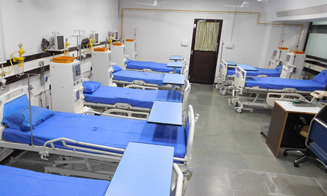
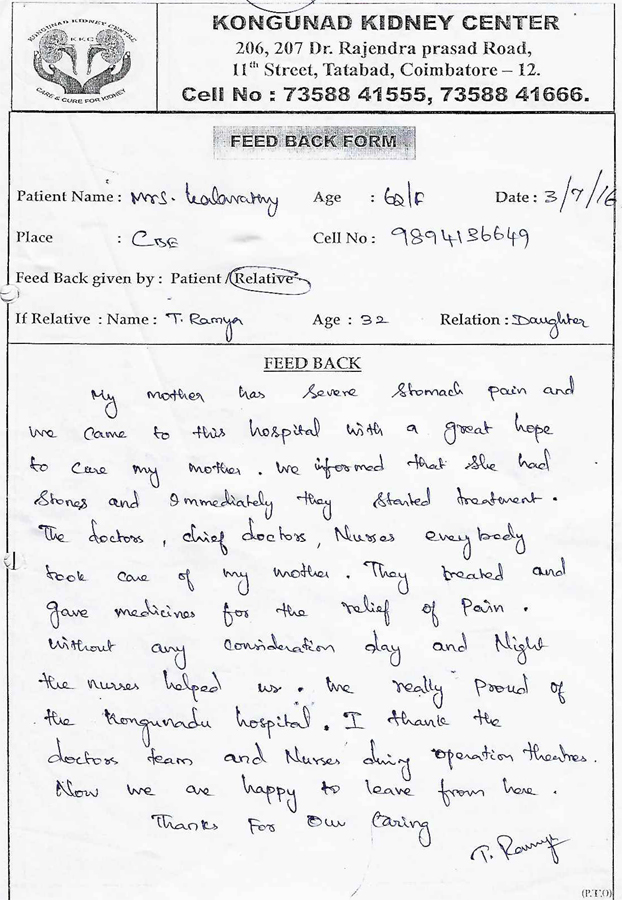
advanced kidney treatments, with state-of-the-art facilities and highly trained specialists. Renal artery stenting in Coimbatore is performed at leading centers like Kongunad Kidney Centre<, recognized for its expertise in endovascular procedures Coimbatore and
advanced renal treatments in Coimbatore.
Why Kongunad Kidney Centre?
- Access to the top hospitals for renal artery stenosis in Coimbatore.
- Experienced kidney stenting specialists in Coimbatore.
- Advanced diagnostic and treatment facilities for renal artery blockage and related conditions.
- A patient-centric approach with personalized care plans.
Preventing Renal Artery Stenosis
Preventive measures can significantly reduce the risk of developing renal artery stenosis:
- Maintain a healthy diet low in cholesterol and saturated fats.
- Exercise regularly to improve cardiovascular health.
- Quit smoking, as it accelerates arterial damage.
- Monitor blood pressure and manage conditions like diabetes and high cholesterol.
If you’re at risk, regular check-ups at
kidney health clinics in Coimbatore can help detect early signs and enable timely intervention.
Conclusion
Renal artery stenting is a game-changing solution for individuals struggling with renal artery stenosis. This minimally invasive procedure offers hope for those suffering from renal hypertension and compromised kidney function, restoring blood flow and improving quality of life.
For individuals seeking advanced care, Coimbatore offers some of the best facilities in the country. At
Kongunad Kidney Centre, our experts specialize in endovascular stenting for kidneys and deliver personalized care to ensure optimal outcomes.
If you or a loved one is experiencing symptoms of renal artery blockage<, don’t wait. Consult the
best kidney stenting specialists in Coimbatore today and take the first step toward better kidney health.
 Book Appointment : +91 95666 56491

 Emergency (0422 2494333)